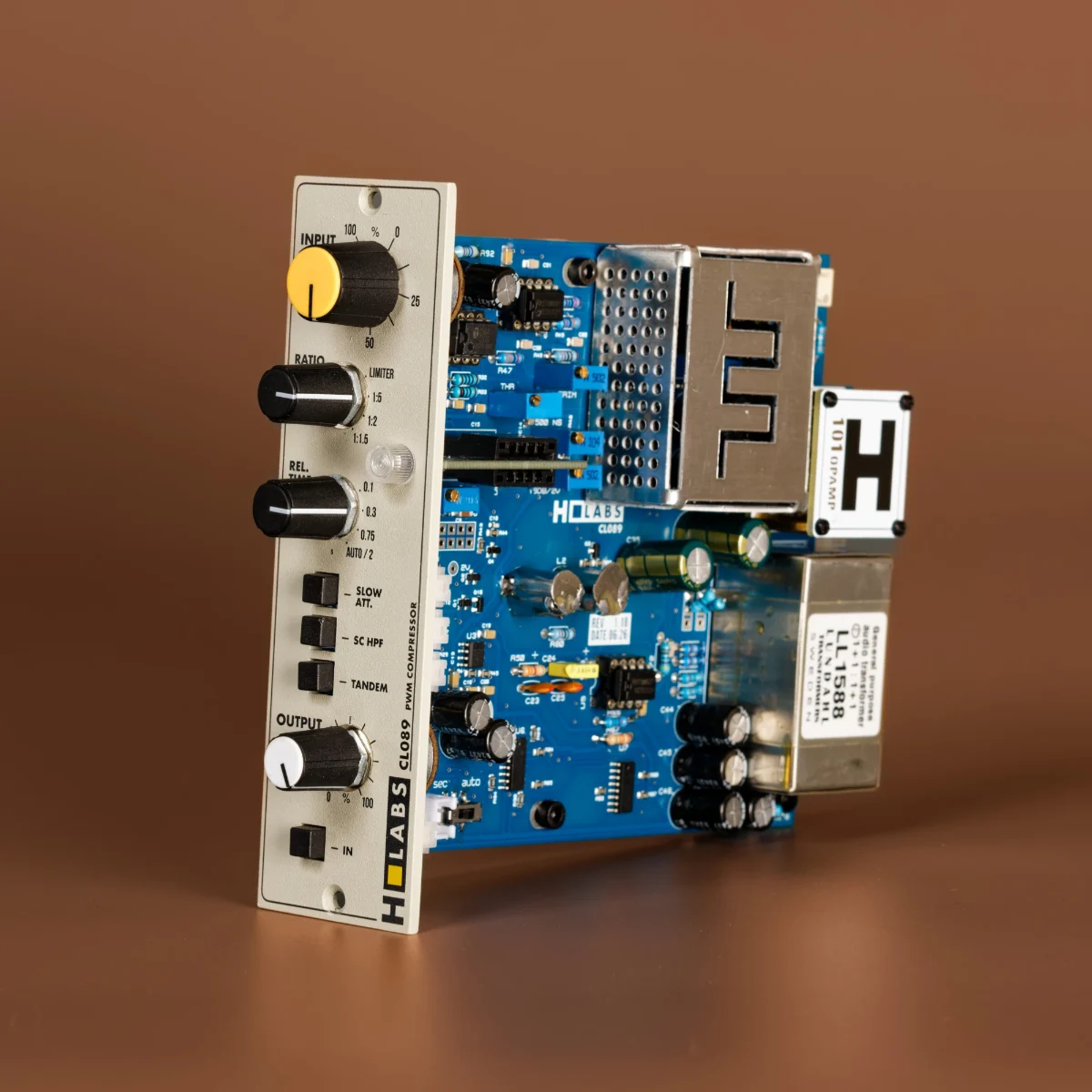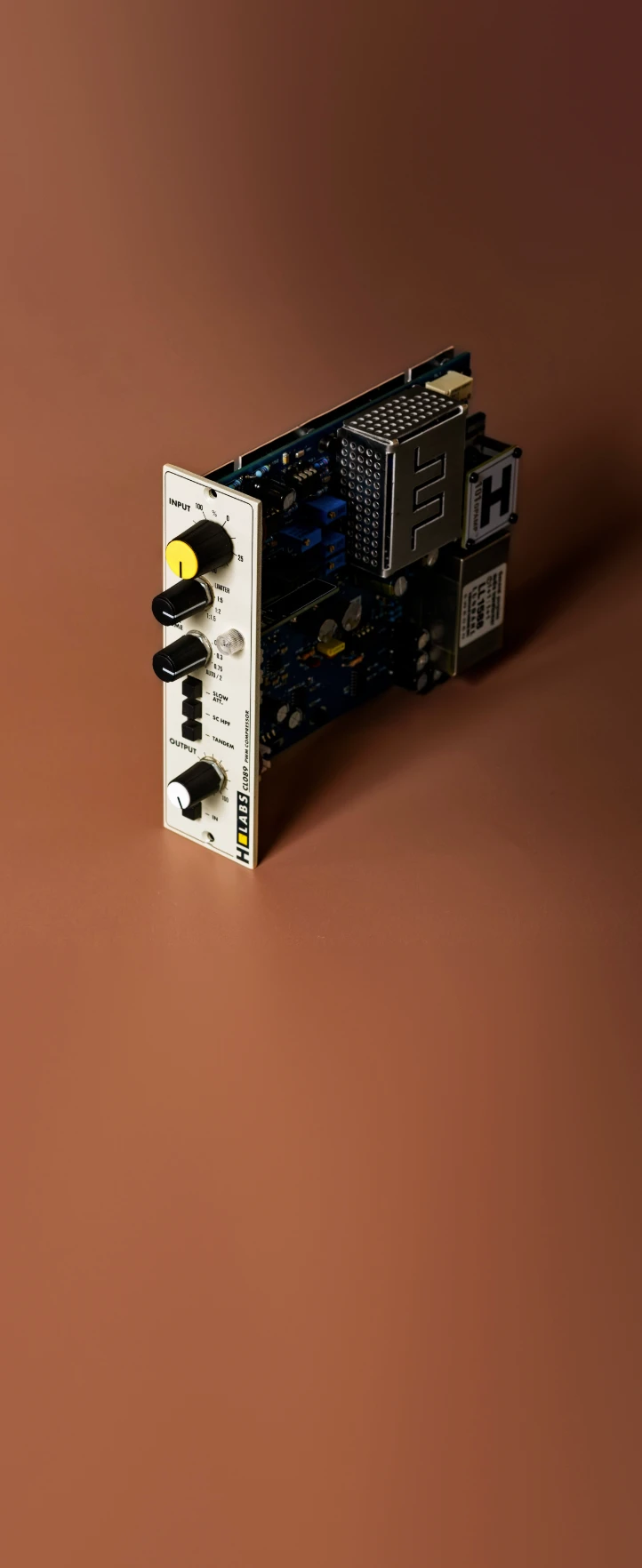
Introduced in 1968, the 089 was Studer’s first fully ‘transistorized’ mixing console, featuring a dual Compressor/Limiter module (1.091.070). With limited controls and remarkably transparent PWM gain reduction, it was designed as an all-purpose compressor. But the transparency of the late ’60s is not quite the transparency of today — and this design has plenty of character to offer modern productions.
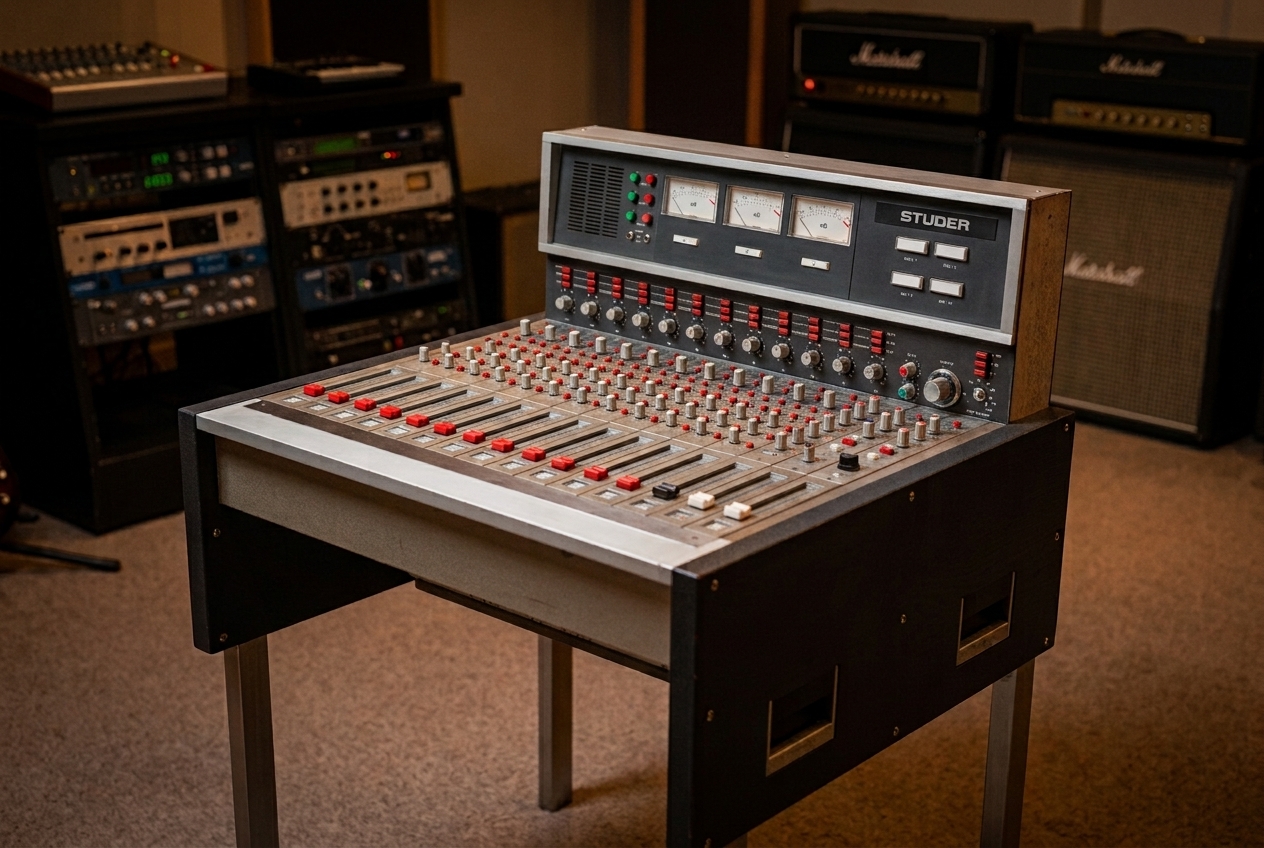
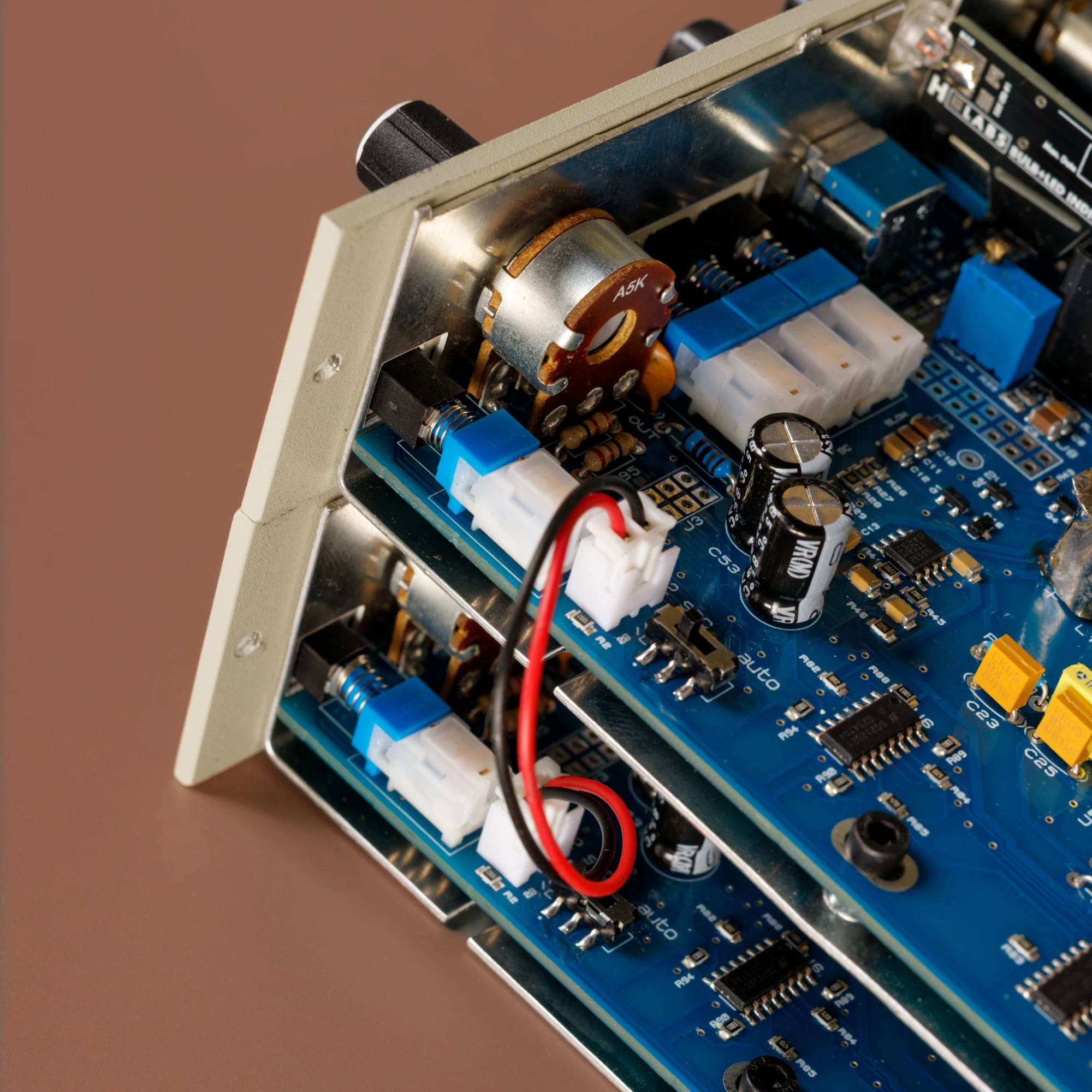
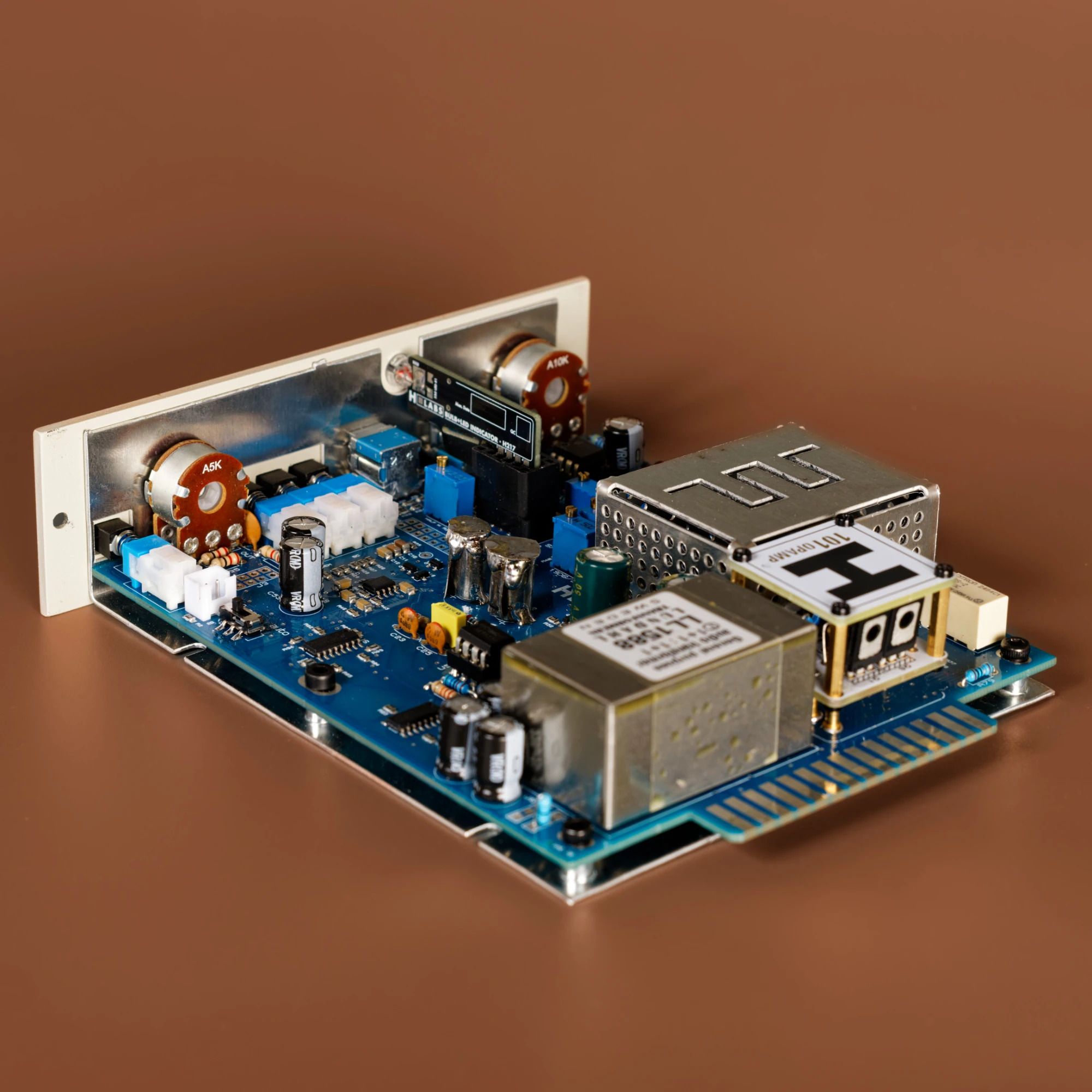
Originally designed with Swiss broadcasting and classical recording in mind, the 089 console was built around a high-fidelity philosophy of “capturing the truth.” PWM compression fitted that philosophy perfectly: controlled, unobtrusive gain reduction with excellent transient handling and high-frequency preservation.
Where many compressors of the era could sound gritty, pumping or aggressive, the Studer approach offered something different: solid, rich and controlled. Emerging soon after the legendary PYE compressors, it was also one of the earliest uses of PWM gain reduction in professional audio.
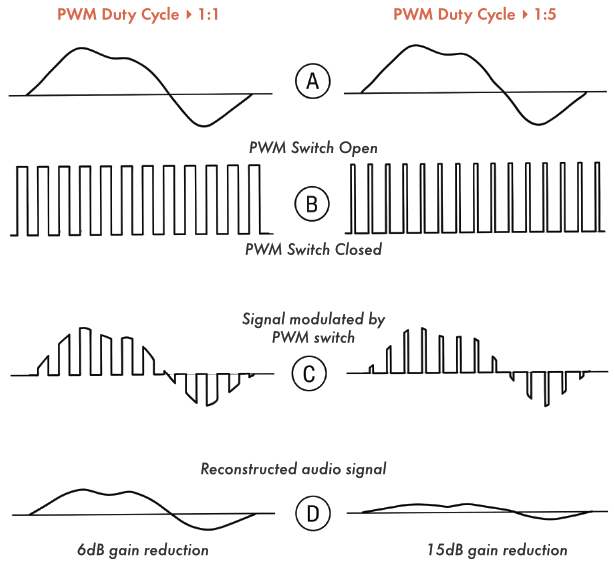
Unlike VCA, FET, optical or diode-bridge compressors, Pulse Width Modulation (PWM) controls gain by switching the audio signal at a very high frequency and varying the width of those pulses.
After filtering, the audio waveform is reconstructed at the desired level. The result is extremely fast and precise gain control while preserving transients and high-frequency detail. PWM remains remarkably rare in professional audio — exactly why we wanted to bring this forgotten Studer approach back to life.
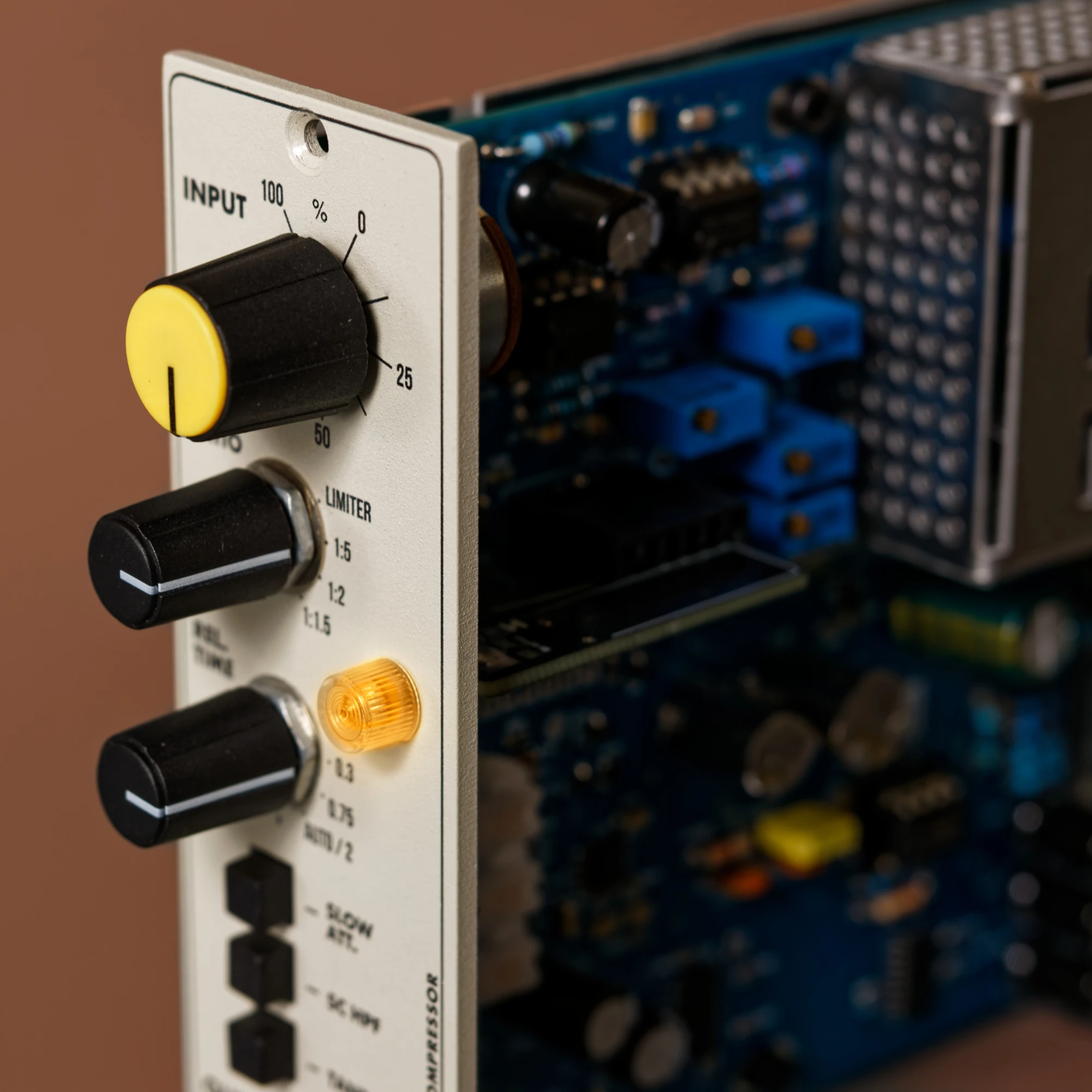
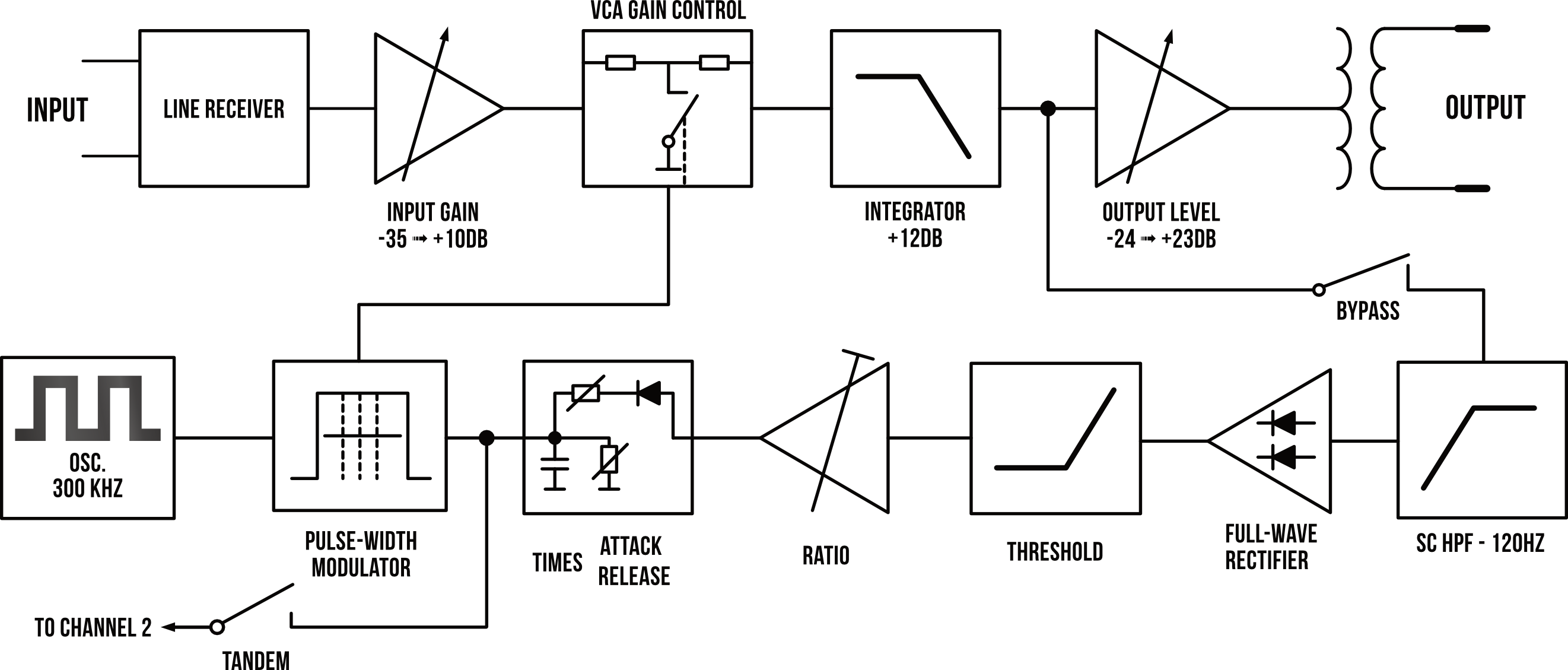
At its heart, the CL089 remains remarkably close to Studer’s original PWM circuit, with a fully analog signal path and 99% through-hole construction. We preserved four of the original compression ratios — 1.5:1, 2:1, 5:1 and LIMIT — and the five release settings, including AUTO, plus the stereo TANDEM operation. Then we added what the original was missing for a modern studio workflow:
→ Extended input attenuation and output make-up gain
→ Slow Attack mode
→ 120 Hz sidechain HPF
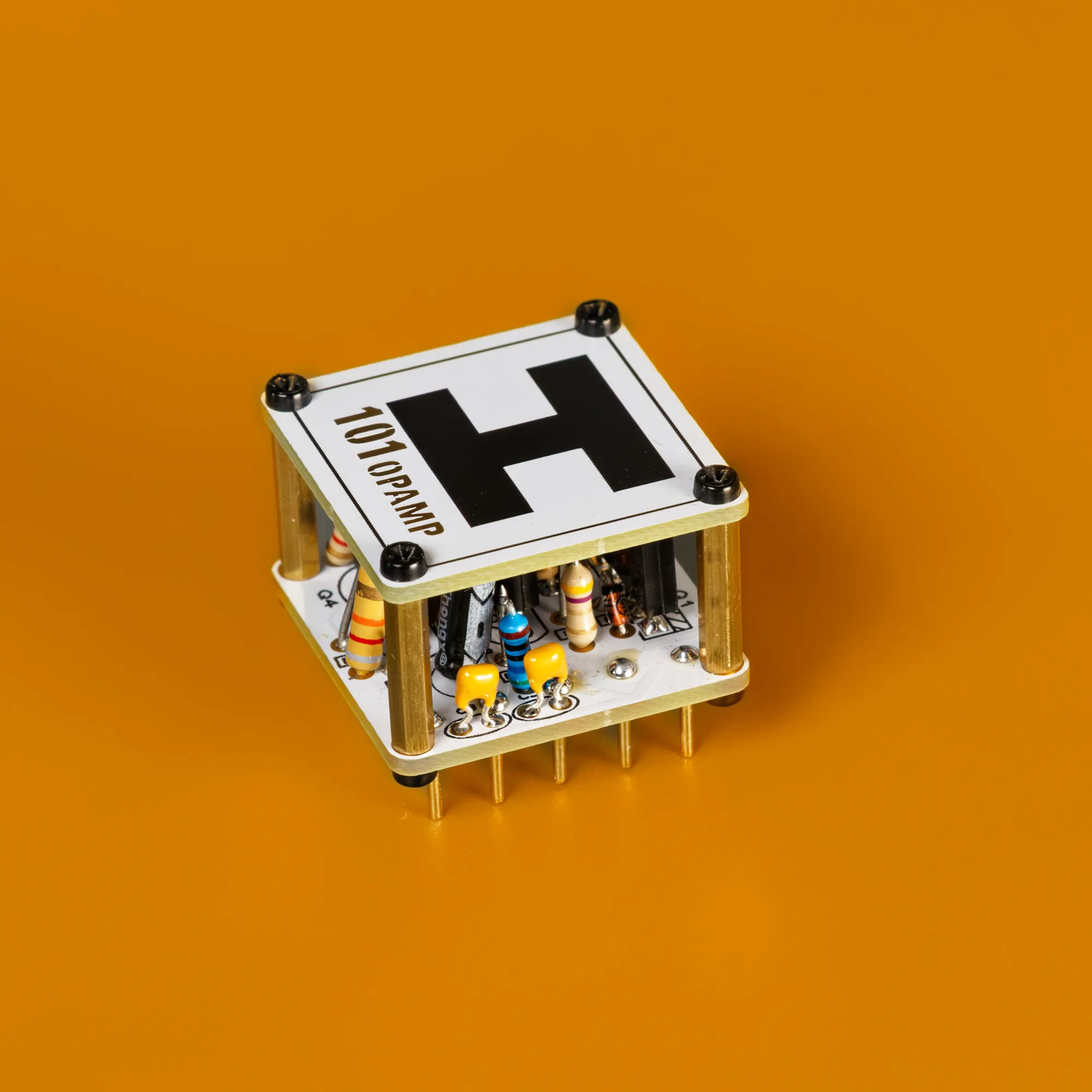
HLabs H101 is a redesigned Studer© A101 OpAmp circuit that we have made compatible with the classic 2520 pinout.
It has been used in most of the brand's designs from the '60s, including the 089 consoles, as well as the A80, A81, and B62 tape recorders.
Renowned both for its minimalist design and its sound quality, the H101 was the perfect choice to drive the CL089's output transformer and embody its Swiss heritage.
Paired with a Lundahl LL1588 output transformer, it delivers a powerful, open and characterful output stage — even with little or no gain reduction. In other words: you don’t have to compress hard to hear the CL089. The H101 is socketed and 2520-compatible, allowing users to swap in other compatible opamps and explore different flavors.
Designed and assembled in our workshop in France.